ucdv9kamfs1
central air conditioner repair near me - what to check before you book
Signals that point to a pro, not a quick DIY
Patterns matter. A system that cools fine at night but stalls mid-afternoon hints at airflow or refrigerant charge issues. Breakers that trip once may be nuisance; twice means investigate. A loud hum and a warm outdoor fan shell out a common failure: start components.
- Short cycling (starts/stops every few minutes) often indicates safety lockouts or restricted airflow.
- Warm supply air with the condenser running suggests low charge or a failed compressor valve.
- Ice on the lines points to airflow or charge; shut off cooling and run fan to prevent damage.
- Burnt-plastic smell usually means electrical; power down and call.
What "near me" means in dispatch reality
Most shops define "local" as a 10 - 20 mile radius. That radius affects travel fees, response windows, and parts availability. Urban teams often dispatch in two waves (morning triage, afternoon follow-ups); suburbs lean on route efficiency. Ask how they schedule emergencies versus maintenances; it reveals whether your no-cool today gets prioritized or pooled for tomorrow.
Transparent pricing: the questions I ask first
- Diagnostic fee: fixed, credited with repair, or separate? Clarity here prevents awkward checkout surprises.
- Trip or fuel fee: included in diagnostic or extra?
- Labor billing: flat-rate by task or time-and-material with minimums (e.g., first hour)?
- Parts sourcing: OEM vs universal; warranty length on parts and labor.
- After-hours premium: percentage uplift or a fixed surcharge?
- Refrigerant policy: leak check expectations before any recharge; recovery compliance.
A small, real moment
Last July at 7:30 p.m., my living room hit 84°F. The tech arrived, confirmed a failed capacitor in the condenser, showed the μF reading, replaced it in 12 minutes, and left a simple note: "Cap 45/5→0 μF; replaced, compressor amp draw normal; delta-T 18°F." That level of documentation made the bill feel fair.
Common repairs and what I expect to hear
- Capacitor/contactor: quick, stocked on trucks; technician should show meter readings and microfarads or pitting.
- Blower motor or board: ask if a temporary setting can restore cooling while a specific part is ordered.
- Refrigerant leak: expect a method (nitrogen pressure, dye, electronic sniff), not just a top-off; repair options and risks should be outlined.
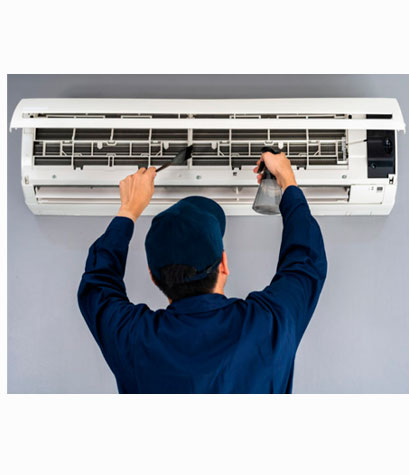
- Dirty coil/airflow: before/after photos and static pressure readings build trust.
Soft disagreement: speed vs. value
Some say the lowest quote is always the smart move. I disagree - gently. A crew that documents readings, returns old parts on request, and backs labor for a year may cost slightly more on day one yet less across a summer of stability.
Response times and realistic expectations
- Summer triage: many shops run a same-day no-cool route; be flexible on time windows.
- Part lead times: mixed availability for ECM motors and certain control boards; ask for alternatives and interim comfort options.
- Weather swings: heat waves compress schedules; waitlists favor existing maintenance customers.
Credentials that lower risk
Licensing and insurance aren't paperwork; they're your backstop if something goes wrong. I look for:
- State HVAC license and proof of liability coverage.
- EPA 608 certification for anyone handling refrigerant.
- NATE or manufacturer training for complex inverter systems.
Red flags I note
- No itemized estimate before work, or reluctance to state the diagnostic fee.
- "Recharge only" offers without leak discussion.
- Hard upsells on duct cleaning unrelated to the failure.
Checklist before you tap "Call"
- Confirm diagnostic fee, trip fee, and after-hours policy.
- Ask for a texted estimate template with line items.
- Request that readings be documented: superheat/subcool, delta-T, static pressure.
- Clarify warranty terms on parts and labor in writing.
- Share model/serial and any past repair notes to speed troubleshooting.
After the repair: what good techs leave behind
Transparency doesn't stop at the driveway.
- Written diagnosis, replaced part details, and test measurements.
- Old parts offered back (or photographed) if you want them.
- Clear next steps if a leak or marginal component remains.
If you're weighing options
It's reasonable to compare two local providers for "central air conditioner repair near me." I usually gather one firm flat-rate estimate, one time-and-material quote, and choose based on clarity of scope and warranty rather than headline price. If a neighbor swears by a shop that communicates clearly and stands behind work, that's weighty data.
Bottom line: set expectations early, invite documentation, and treat the first visit as both a fix and an information session. Repairs feel fair when the evidence is on the page.